BM in music therapy
With a music therapy degree from Rowan, you can use music to improve the physical, emotional, cognitive and social well-being of people across the lifespan.
Why choose Rowan’s music therapy program?
Rowan University’s Bachelor of Music (BM) in music therapy degree program is designed for students who want to connect a love of music with the ability to help others.
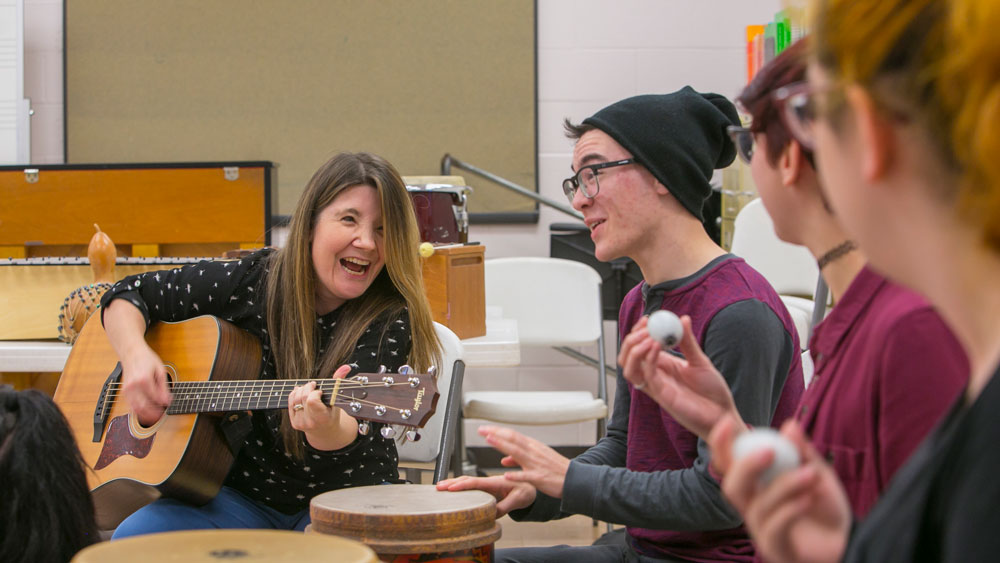
In this program, you’ll learn how to use music as a form of treatment that supports recovery, reduces stress, builds communication skills and improves daily life for people across different ages and abilities. The program’s hybrid format blends in-person and online coursework, combining music, psychology and clinical training. This structure provides a well-rounded education that prepares you to work across healthcare, education and community organizations.
What makes Rowan’s music therapy major stand out is the way learning extends beyond class assignments. From clinical placements in hospitals and schools to learning from practicing music therapists, you’ll have the opportunity to connect the curriculum to real-world interactions with clients and other individuals you serve. By the time you graduate, you’ll be ready to sit for the music therapy national certification exam and step into a career where your musicianship and compassion make a measurable difference.
Key considerations
Quick Facts
Months To Complete
Credits
Application Deadlines
Fall Entry Term
Spring Entry Term
Summer Entry Term
Studying music therapy at Rowan
What You’ll Learn
At Rowan, every student seeking to earn a Bachelor of Music degree must choose an undergraduate concentration. For music therapy majors, that means completing 73 credits of coursework that links music, psychology and clinical practice. You’ll study the same fundamentals as other music students, while taking specialized courses that focus on how music can be used as a therapeutic tool.
In the classroom or online, you’ll strengthen your musicianship through applied study in voice, instrument or jazz and courses that help you develop your piano, guitar and conducting skills further. Elective courses add flexibility, letting you explore musical areas that complement your goals. Building on that foundation, the concentration introduces music therapy–specific coursework in principles, clinical practice and therapeutic techniques such as improvisation, composition and receptive listening. You’ll graduate with both musical training and the ability to use it in clinical, educational or other professional settings.
Music therapy key courses
- Foundations of Music Therapy
- Psychology of Music
- Music Therapy Research Methods
- Clinical Piano Skills I
- Clinical Guitar Skills
- Receptive Applications to Music Therapy
- Therapeutic Principles for Music Therapists
Note: The course information above is not official and is subject to change. For an official list of available courses, please review the Rowan University Academic Catalog.
Additional undergraduate concentrations in music
Interested in earning a Bachelor of Music degree in a different area? Explore more undergraduate concentrations in music at Rowan:
How You'll Learn
Every part of Rowan’s music therapy program is designed to connect what you study with what you’ll actually do in your future career. Here’s how:
- Hybrid courses: The program combines asynchronous online learning with three in-person sessions each semester, giving you flexibility while ensuring you get hands-on, interactive practice.
- Expert faculty: Board-certified music therapists and practicing clinicians lead every class, bringing their professional experience into every lesson.
- Practicum experiences: Across three practicum courses, you’ll complete 180 supervised clinical hours that include assessment, treatment planning and leading music therapy sessions.
- Residency requirement: In your final year of the program, you’ll complete a 1,040-hour residency at a Rowan- or AMTA-approved clinical site, working alongside health professionals in different settings. We have affiliated clinical sites in South Jersey, Pennsylvania, Delaware, Maryland and New York.
- Performance opportunities: You’ll study your primary instrument or voice with Rowan’s studio faculty, perform in student recitals and participate in choral, instrumental, orchestral, band, early music, opera and jazz ensembles.
- Cross-disciplinary learning: You can take elective courses in Rowan’s music industry program and access recording studios and technology labs to expand your musical performance skills.
Admission Requirements
Review the application steps below to begin your BM in music therapy degree at Rowan University.
- First-year application through one of three platforms:
- Application fee of $65
- Official high school transcript(s)
- Letter(s) of recommendation/teacher evaluations
- Personal essay
If you’re planning to apply to Rowan’s music therapy program, you must also complete a music audition. Register for an audition.
After finishing your application, a representative from Rowan’s Office of Admissions will confirm your application status and notify you of any missing information. There may be additional actions or materials required for admission to the program.
Note: Rowan University is test-optional. You may submit your SAT or ACT scores, but you won’t be penalized if you choose not to.
Need assistance with your application? Our Office of Admissions team is here to support you—email admissions@rowan.edu to reach out.
Tuition and Aid
Pursuing a career in music therapy is a meaningful investment, and Rowan keeps it within reach. There are numerous opportunities for scholarships and financial aid to help you balance affordability with your future goals.
Review cost and aid information.
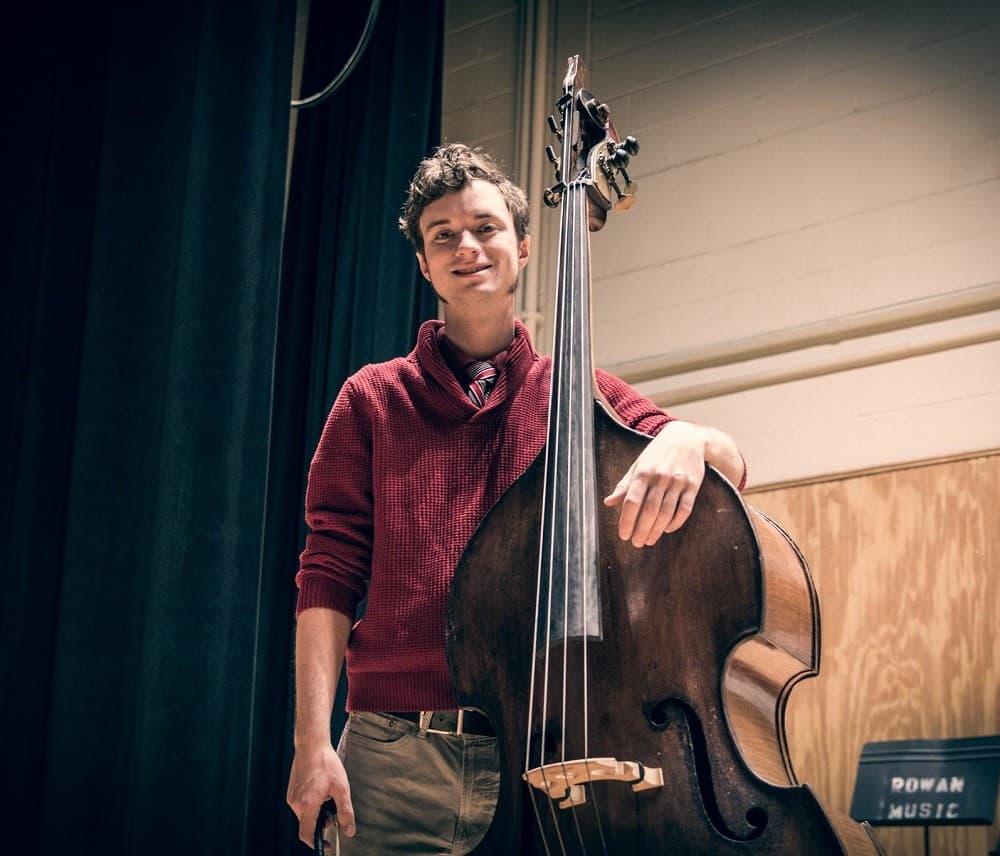
Music therapy is so much more vast than I anticipated, and it makes me really excited to keep learning and go into the field.
Charlie R. Middlesex County, NJ
Before transferring to Rowan, I was only in vocal performance. Music Therapy was a perfect major for me because I wanted to use the outlet of music to help people.
Taylor G. Somerset County, NJ
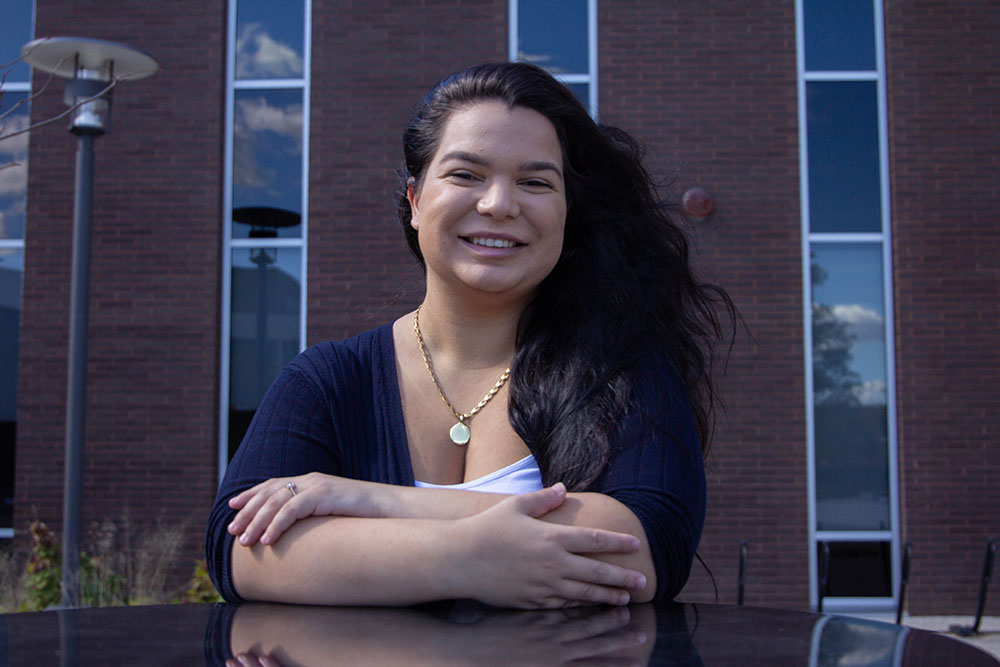
I will actually be the first person to graduate in this major. A lot of our classes are one-on-one so you really get that quality time with professors that helps you grow. It pushes you to do better.
Vittoria B. Atlantic County, NJ
Careers and outcomes
Upcoming virtual information sessions and events
How does music therapy affect the brain?
Related programs