MA in clinical mental health counseling
Become a Licensed Professional Counselor through Rowan’s mental health counseling degree program, in which evidence-based training and 600 hours of supervised experience prepare you for real clinical work.
Why choose Rowan’s CMHC program?
Mental health counseling is a vital profession focused on helping individuals, families and communities navigate challenges and improve well-being.
Counselors provide care that changes lives, addressing everything from anxiety and depression to trauma, addiction and personal goals. Rowan University’s Master of Arts (MA) in clinical mental health counseling (CMHC) degree program prepares you for this work by combining advanced coursework with supervised training that fulfills the educational requirements for Licensed Professional Counselor (LPC) licensure. Earning this credential allows you to offer professional counseling services across clinical, community and private practice settings.
What sets Rowan’s CMHC program apart is its balance of theory and real-world training. You’ll develop assessment, diagnosis and treatment planning skills while learning how to build meaningful relationships with clients from diverse backgrounds. Every student completes 600 hours of supervised practicum experience, which is an essential opportunity to apply classroom learning to real counseling environments and work alongside licensed professionals. With a curriculum that reflects the realities of today’s mental health field, Rowan prepares you to enter the workforce ready to support clients as a licensed professional counselor.
Key considerations
Quick Facts
Years To Complete
Credits
Application Deadline
Fall Entry Term
Studying clinical mental health counseling at Rowan
What You’ll Learn
The mental health counseling degree is a 60-credit program designed around the Professional Counselor Examiners Committee Laws educational requirements for licensure. The curriculum blends academic coursework with 600 hours of supervised practicum experience at an approved placement site. As you move through the program, you’ll follow one of two tracks:
- Advanced Clinical Track: Most students follow this path, in which they take two unique electives that deepen their clinical skills and counseling expertise.
- Thesis Track: For students interested in research or academic careers, the thesis track offers opportunities to work alongside faculty on research projects or complete a formal thesis, depending on availability.
Throughout your coursework, you’ll explore a wide range of topics that reflect the full scope of modern counseling practice. Courses cover key areas, such as counseling theory and technique, lifespan development, ethics, psychopathology and family systems, along with specialized seminars addressing emerging issues in the field. This combination ensures that you graduate not only meeting licensure requirements but also understanding how to work effectively with individuals, couples and families across communities and counseling settings.
Note: Students must take the CPCE (Counselor Preparation Comprehensive Exam) during their second year of the CMHC program. Students are given the option to take the National Counselor Exam (NCE) instead.
Clinical mental health counseling key courses
- Family Systems Theory and Family Therapy
- Group Counseling and Psychotherapy
- Introduction to Counseling: Development of Basic Skills
- Legal, Ethical, and Professional Issues in Counseling
- Lifespan Development
- Psychopharmacology and Biological Bases of Behavior
- Social and Cultural Diversity
Note: The course information above is not official and is subject to change. For an official list of available courses, please review the Rowan University Academic Catalog.
New Jersey LPC Licensure
Supervised Practicum Experience
Admission Requirements
Your path to becoming a Licensed Professional Counselor starts here. Review the admissions requirements and steps to apply to Rowan’s mental health counseling master’s program. Once you apply, someone from the Rowan University Office of Admissions will contact you to confirm your application status or request any missing items. There may be additional actions or materials required for admission to the program.
- Completed application
- $65 nonrefundable application fee
- Bachelor’s degree (or its equivalent) from an accredited institution of higher learning
- Minimum undergraduate cumulative GPA of 3.0 (on a 4.0 scale)
- Official transcripts from all colleges attended (regardless of number of credits earned)
Foundation courses- You must have successfully completed at least 12 credits of undergraduate-level psychology courses at an accredited institution, including one course in abnormal psychology and one course in statistics and research methods.
- Current professional résumé
- You should include a statement on your professional résumé that verifies evidence of applied skills, including research proficiency and work experience within a clinical mental health setting (e.g., field experience, volunteer work, employment).
- Typewritten statement of professional objectives
- Provide reasons for pursuing the program. Describe how you might use this program to advance your career (educational goals beyond the master's level, if applicable, are also relevant).
- Two letters of recommendation from professional sources (on letterhead and signed)
- Interview
Note: Submission of official GRE Test Scores is optional, but highly recommended.
Tuition and Aid
Rowan is committed to making graduate education affordable. Additionally, Rowan offers graduate financial aid and scholarships to help you pursue licensure and a career in counseling.
Explore scholarships and financial aid and review tuition information.
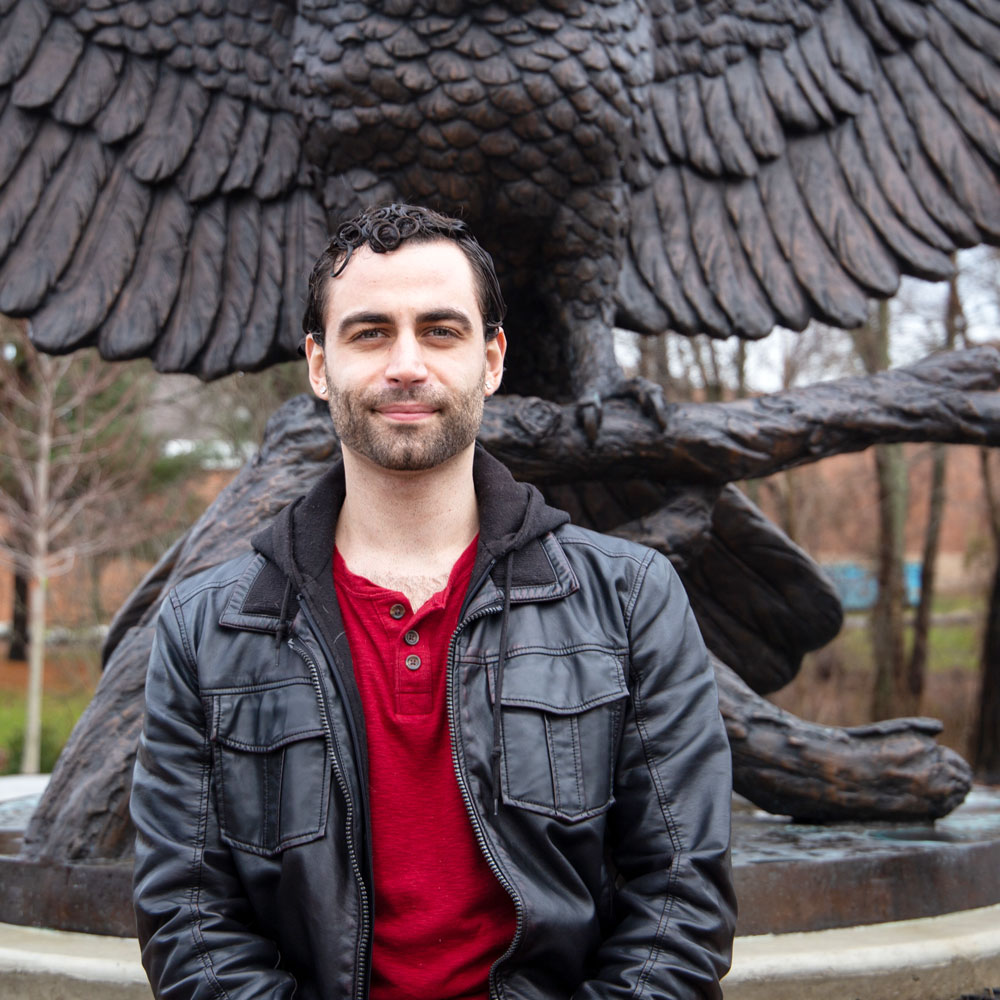
I loved learning about ways people believe the mind works, what that means for everyday life, progress in society, and how it could be applied to help others.
Dave B. Gloucester County, NJ
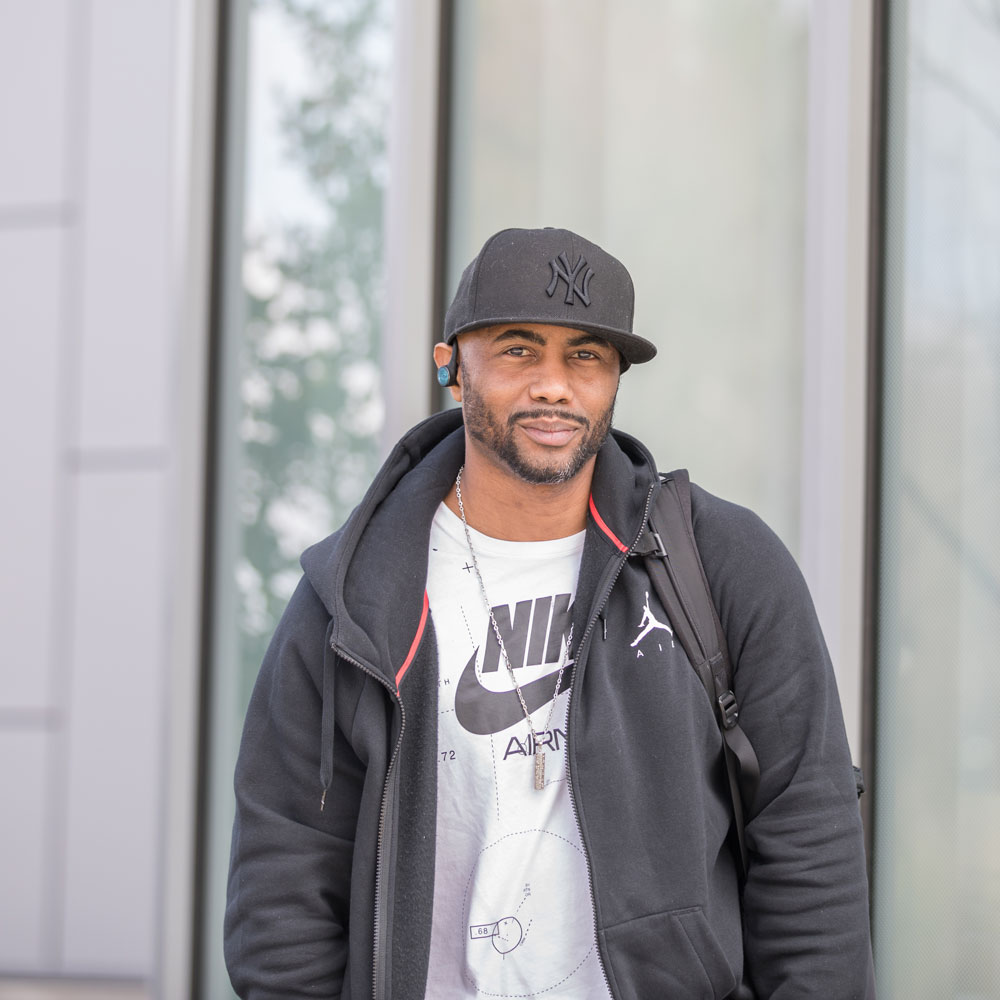
I haven’t had a professor who doesn’t love what they’re doing. That’s something aspiring students can look forward to at Rowan — supportive, caring staff.
Rasheed M. Burlington County, NJ
Careers and outcomes
Upcoming virtual information sessions and events
From the blog
What Jobs Can I Get With an MSW Degree?
Is Emergency Management Right for You? 7 Signs It May Be a Good Fit
How to Choose the Right MSW Program: A Guide for Future Social Workers
Related programs